Traveling After Major Surgery
What You Don’t See Still Matters
When you look at me, you wouldn’t guess I had brain surgery just weeks before I stepped onto a plane. The scar is hidden beneath my hair. I don’t wear a cast or use crutches. To the outside world, I looked “normal.” But inside? I was healing from one of the most intense experiences of my life—both physically and emotionally.
Traveling after back-of-the-head brain surgery wasn’t just a trip—it was a test of patience, courage, and self-compassion. I’m sharing my experience not to scare anyone, but to shed light on what it’s like to travel with an invisible condition—and why honoring your body matters more than keeping pace with anyone else.
1. Recovery Doesn’t End When the Hospital Stay Does
The world doesn’t pause for your recovery. And when you’re traveling, you’re constantly reminded of that. Airports, crowds, long walks, bright lights, loud noise—these things can overwhelm anyone, but they’re especially intense after surgery.
For me, vestibular challenges, headaches, and sensory overload came without warning. I looked fine, but the effort it took to stay upright or hold a conversation was enormous. I had to learn to listen to my body in real time—and give myself permission to stop even when no one else seemed to need a break.
2. You Don’t Owe Anyone an Explanation—But You Deserve Care
When you’re dealing with a hidden illness or post-op symptoms, the hardest part isn’t always the physical pain—it’s the disconnect between what others see and what you’re experiencing. I didn’t need a wheelchair or visible accommodations, but I did need to take elevators, avoid noisy restaurants, sit down often, and take naps during the day.
And that’s okay.
If you’re in a similar situation, I hope you know: you don’t need to justify your limits. You don’t need a doctor’s note to slow down, skip a tour, or prioritize your well-being. Think you may have trouble navigating the airport? Call for an escort. Need to board the plane early? Call or message your airline. I assure you, it’s fine. Invisible healing is still healing.
3. Here’s What Helped Me the Most
If you're considering travel during recovery, here are a few things that made all the difference for me:
Bring a travel buddy who “gets it.” Someone who won’t pressure you, who understands your medical needs, and who knows when to advocate for you. For me, this was my husband. He sees my progress and setbacks every day, so when I say ‘I need help with this’ he knows I mean it.
Plan buffers. I never booked back-to-back activities. I made peace with the fact that I wouldn’t see or do everything, and that made the things I did experience more meaningful.
Noise-canceling headphones + sunglasses were non-negotiables.
Compression socks, hydration, and rest: I underestimated how much just being upright would drain me. Prioritize circulation and comfort. If you’re taking a long-haul flight, and can afford it, book business or first class so you can recline and give your body a break.
Talk to your doctor ahead of time about medications, altitude, and when to call for help.
4. Your Healing Journey Deserves Respect—Especially From You
I used to push through everything. Before surgery, I prided myself on being low-maintenance, easygoing, able to “rally.” That changed. This surgery taught me that true strength isn’t pushing through pain—it’s learning when to pause. It's advocating for yourself in a world that doesn’t always see what you're carrying.
If you're traveling after brain surgery—or any invisible illness—I want you to know: you’re not weak for needing rest. You’re not being dramatic. You’re doing something incredibly brave, and you’re doing it on your terms.
5. Let Travel Be Part of Your Recovery, Not a Setback
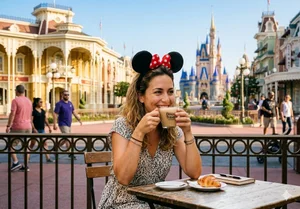
This trip wasn’t just about getting away. It was about reclaiming part of myself. Each small moment—a quiet breakfast with a view, a peaceful walk, a successful car ride without dizziness—was a step toward healing.
Travel didn’t cure me. But it reminded me that joy is still possible, even in the in-between.
Final Thoughts
You don’t need to look sick to be healing. Take up space. Take your time. And when you travel, don’t measure success by how much you did—but by how well you cared for yourself while doing it.